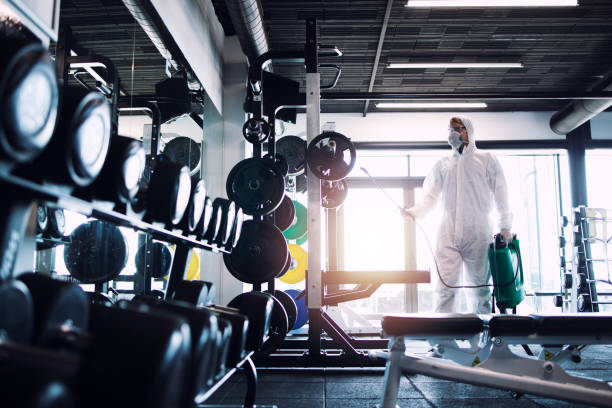
Few environments put hygiene to the test quite like a gym. Sweat, shared equipment, bare feet on studio floors and dozens of people breathing hard in an enclosed space all combine to create ideal conditions for bacteria, fungus and odour to build up fast. Members notice this almost immediately, and it’s one of the quickest ways a fitness business can lose their trust. That’s why serious operators treat gym cleaning Sydney as a non-negotiable part of running the business, not an occasional extra.
The Bacteria Problem Most Members Don’t Think About
Gym equipment gets touched by dozens, sometimes hundreds, of different people every single day, and sweat provides the perfect environment for bacteria to survive on surfaces for hours. Dumbbells, barbells, machine handles and yoga mats are among the worst offenders, along with locker room benches and shower floors where fungal infections like athlete’s foot can spread easily. Without a consistent cleaning routine, a gym can quietly become one of the least hygienic places its members visit all week, despite being somewhere they go specifically to look after their health.
Areas That Need Cleaning More Than Once a Day
The main training floor, with its cardio machines, weight benches and shared equipment, generally needs wiping down multiple times throughout the day, not just at closing. Locker rooms and showers require frequent attention given the combination of moisture, bare feet and shared surfaces. Group fitness and yoga studios need floors cleaned and mats sanitised between sessions, especially in barefoot classes. Reception areas and water fountains, while lower risk, still see enough hand contact throughout the day to warrant regular wiping.
Odour Control Is Its Own Challenge
Even a visually spotless gym can smell unpleasant if odour control isn’t part of the cleaning plan. Sweat odour absorbs into mats, upholstered equipment and even ventilation systems over time, and simply mopping floors won’t fix it. Effective gym cleaning usually includes enzyme-based treatments that break down odour-causing bacteria rather than just masking the smell, along with regular attention to air circulation and any soft surfaces like boxing bags or padded benches that tend to hold onto smells longer than hard surfaces.
Balancing Cleaning With Opening Hours
Many gyms operate close to 24 hours a day, which makes scheduling cleaning around member access a genuine logistical challenge. Overnight or early morning is usually the best window for a full deep clean of floors, equipment and locker rooms, while lighter touch-up cleaning happens throughout the day during quieter periods. Staff are often trained to do quick wipe-downs of high-use equipment between the scheduled professional cleans, creating a layered approach where a professional team handles the heavy lifting and staff maintain standards in between visits.
Equipment That Needs Special Care
Cardio machines with electronic displays and sensors need cleaning products that won’t damage screens or internal components, ruling out anything overly abrasive or liquid-heavy. Rubber flooring in weights areas needs a different approach again to avoid degrading the material over time, and free weights need disinfecting without leaving a residue that could make grips slippery. A cleaning provider experienced specifically with gyms will know these distinctions, where a general commercial cleaner might not.
Why It Directly Affects Member Retention
Fitness is a competitive industry in Sydney, and members who notice a gym feels grimy, smells off, or has visibly dirty equipment tend to vote with their feet, often switching to a competitor without ever raising a complaint. On the other hand, a gym that consistently feels fresh and well maintained builds trust quickly, and that trust translates directly into membership renewals and word-of-mouth referrals. Investing properly in gym cleaning Sydney routines is ultimately a retention strategy as much as a hygiene one, protecting the revenue side of the business as well as member health.
Building a Cleaning Routine That Actually Holds Up
The gyms that maintain the highest standards usually combine three layers of cleaning rather than relying on one. A professional deep clean handles floors, equipment sanitising and locker rooms on a set schedule, staff carry out quick spot-checks and wipe-downs throughout operating hours, and members are given wipes and sprays to clean equipment themselves after use. None of these layers works well on its own, but together they keep standards consistent even during peak times like early mornings and after-work rushes when equipment barely has a moment to sit unused between sessions.
It’s also worth noting that the return on this kind of investment isn’t always immediate or obvious in the numbers, which is part of why it sometimes gets deprioritised when budgets tighten. The cost of poor hygiene tends to show up slowly, through quiet cancellations and lukewarm reviews mentioning smell or cleanliness, rather than one dramatic incident. Operators who treat cleaning as a fixed, non-negotiable line item, the same way they’d treat rent or equipment maintenance, tend to avoid that slow erosion of trust altogether.
A gym lives or dies by how safe and comfortable members feel using it. Getting the cleaning right, consistently and thoroughly, is one of the clearest ways an operator can show members their health is genuinely being taken seriously, well beyond just the workouts on offer.