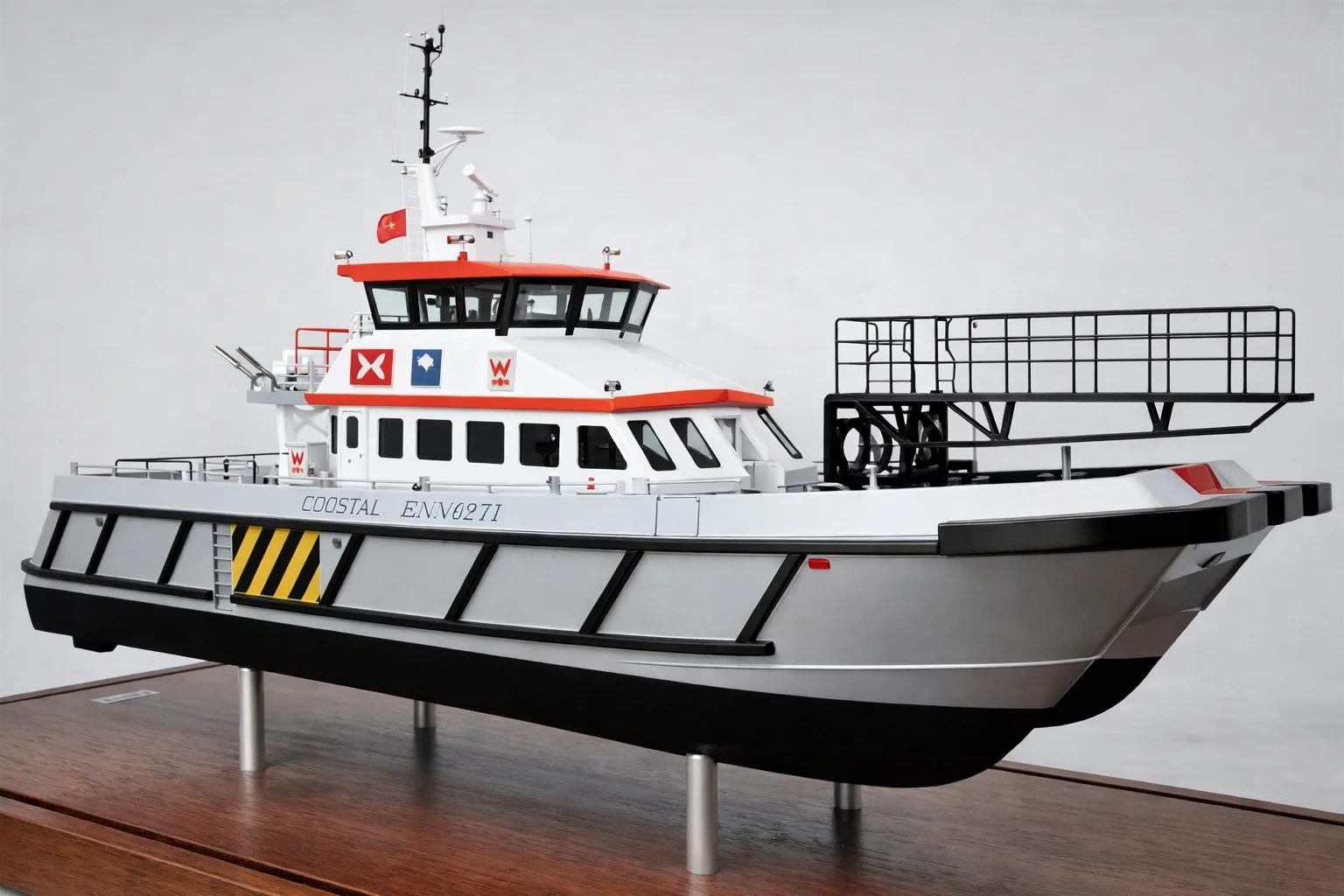
Long before a vessel is ever launched, shipbuilders, shipping companies, and even museums often commission a smaller version of it first. A well-built marine ship model does more than sit on a shelf — it communicates hull design, deck layout, and vessel proportions in a way that technical drawings rarely manage for a general audience.
Who Commissions These Models and Why
Shipbuilding companies use models during client negotiations, allowing buyers to inspect deck arrangements, cabin placement, and cargo layout before construction begins. Shipping and logistics firms often display models of their fleet in corporate offices as a way of showcasing their operational scale to visiting clients and partners.
Museums and naval institutions commission historically accurate builds for educational exhibits, while private collectors and retiring captains sometimes request a model of a specific vessel they served on as a personal keepsake with genuine sentimental value.
Getting the Proportions Right
Accuracy starts with reliable reference material — general arrangement drawings, hull lines, and photographs where available. Even a small error in hull curvature or superstructure placement becomes obvious to anyone familiar with the actual vessel, so experienced builders cross-check dimensions carefully before committing to a final scale.
Scale choice depends on the intended display space and how much detail the client wants to see. A large corporate lobby piece might be built at a more generous scale to allow intricate deck fittings, while a desk display naturally calls for a more compact build.
Materials and Construction Techniques
Hulls are typically carved or CNC-machined from wood or dense foam, then finished with fibreglass or resin coatings for a smooth, paint-ready surface. Superstructures, railings, and smaller fittings are often produced using 3D printing or laser-cut acrylic, which allows for fine detailing that would be extremely difficult to achieve by hand alone.
Painting is where a model truly comes to life. Hull colours, waterlines, deck markings, and company livery all need to match the real vessel precisely, particularly for corporate clients who plan to display the model alongside their branding.
Common Uses Beyond Display
A marine ship model is frequently used in training environments as well, helping new crew members or cadets understand vessel layout before they ever step aboard the real thing. Shipyards sometimes keep a working model on hand during construction reviews to cross-reference design changes against the physical form of the vessel.
Insurance and legal proceedings occasionally call for accurate models too, particularly in cases involving vessel modifications or incident investigations where a physical reference helps explain technical details to non-specialist audiences such as courts or regulatory panels.
Choosing a Builder You Can Trust
Because maritime detailing is a specialised skill, it is worth reviewing a studio’s previous naval and commercial vessel work before committing to a build. Ask how they source reference drawings, how they handle confidential vessel designs still under development, and what finishing standard they apply to items intended for permanent public display.
It also helps to ask how a studio manages projects where reference material is incomplete, since this is common with older vessels or ones no longer in active service. A studio comfortable cross-referencing multiple partial sources will generally produce a more reliable result than one that insists on a single perfect drawing set before starting work.
Display Cases, Mounts, and Long-Term Care
A finished model is only as good as how it is protected afterward. Purpose-built display cases with UV-filtering acrylic help prevent paintwork from fading under office lighting over time, while a properly engineered mounting base prevents stress on delicate rigging or superstructure details during handling and transport.
For models intended to travel between offices or exhibitions, requesting a padded transport case at the time of commissioning is far more practical than trying to source one separately afterward, once the model’s exact dimensions and fragile points are already known only to the original builder.
Cost Factors Worth Understanding
Pricing for this kind of nautical build is driven primarily by scale, level of hull and superstructure detailing, and whether the client requires historically or technically verified accuracy versus a more general representation. Custom livery, interior cutaways, and motorised features all add cost and lead time, so it helps to prioritise which details matter most for your specific use case rather than requesting maximum detail across the entire build by default.
Requesting a detailed quote broken down by hull, superstructure, detailing, and finishing stages makes it easier to adjust scope if the overall budget needs to flex during the project.
A Piece That Represents More Than a Vessel
A genuinely well-crafted marine ship model holds up to scrutiny from the people who know the vessel best — the crew, the engineers, and the company that built it — and that level of accuracy is what separates a professional commission from a simple decorative piece.
Corporate Gifting and Retirement Commissions
Beyond corporate lobbies and museums, individually commissioned models have become a meaningful gift for retiring captains, senior officers, and long-serving maritime employees. These builds often carry personal significance far beyond their material value, representing years spent aboard a specific vessel, and clients commissioning them typically want small personal touches — a name plate, a specific date, or a particular sea state captured in the base — reflected in the finished piece.
Studios that handle this kind of personal commission regularly tend to build in extra time for these customisations, understanding that the emotional value of getting these details right often matters more to the client than strict adherence to the original delivery estimate.
Working Across Time Zones for International Clients
Shipping is a genuinely global industry, and many studios in India build models for international shipping lines, naval contractors, and overseas collectors. Clear digital communication — progress photographs shared at each major build stage, and video calls for detailed review — helps bridge the distance effectively, allowing overseas clients to stay closely involved in the build without needing to visit the workshop in person.
Export packaging and international shipping logistics also become an important consideration for these projects, and an experienced studio will have established processes for safely crating a fragile model for a long-distance journey by air or sea freight.